
Why Our Backyard Birds Flock to This High-Energy Snack
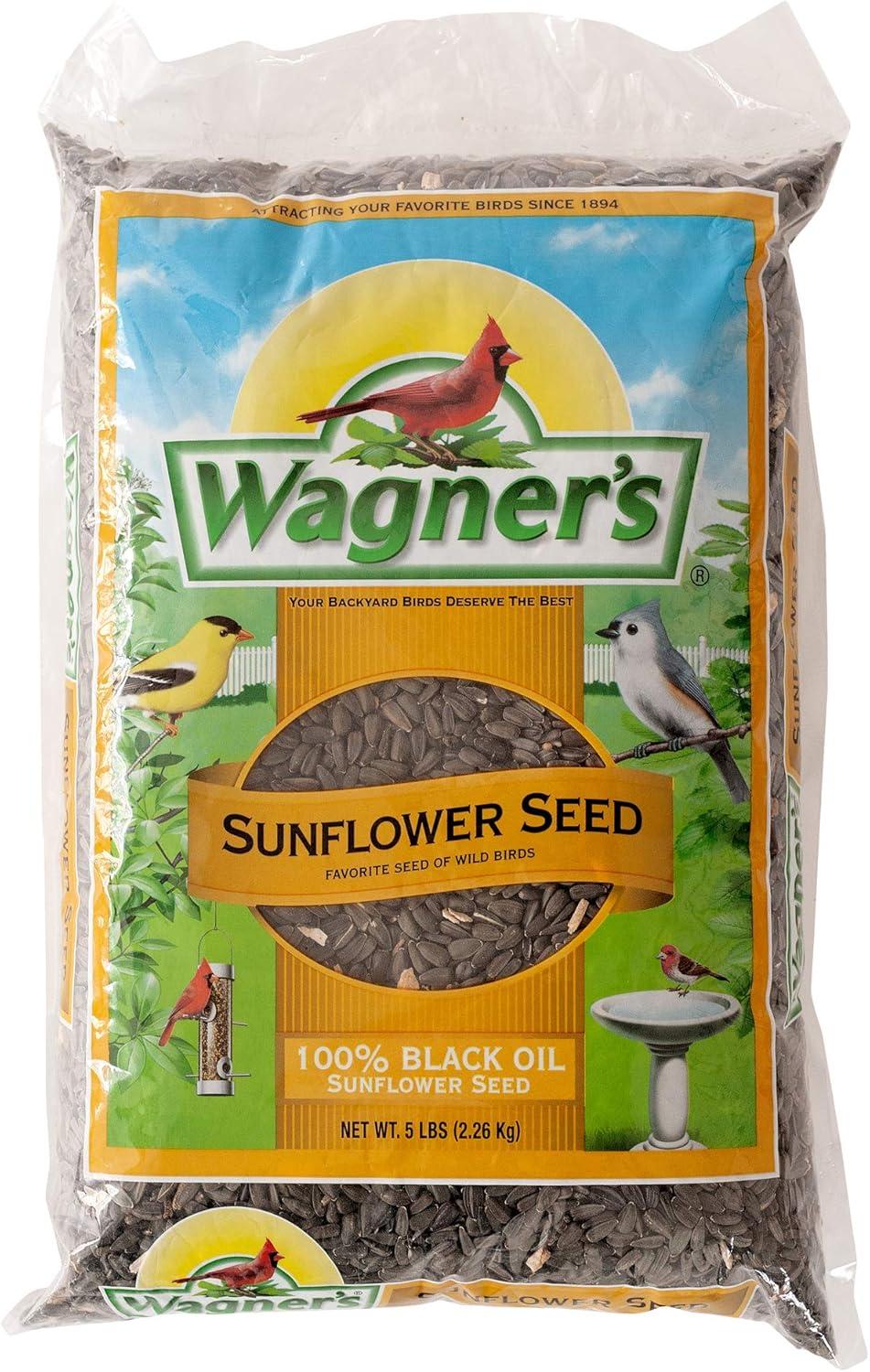
From our backyard to yours, inviting feathered friends is always a joy — and Wagner’s 52023 Black Oil Sunflower Seed has proven to be a reliable way to do just that. We noticed right away that this seed, prized for its thin shell and high energy, appeals especially to cardinals and a wide medley of songbirds that brighten any feeder station. Unlike other blends that skew smaller (attracting mostly sparrows), Wagner’s seeds bring in vibrant colors and birds with delicate beaks who appreciate something easier to crack open. our experience with tray and hopper feeders demonstrates this seed’s versatility and effectiveness. Plus, with no strange smells and a credible Made-in-USA promise, it feels like we’re trusting our winged visitors to seasoned experts. While the five-pound bag is generous (and a bit bulky), and some minor debris can be found inside, our feathered guests seem to love it — and that’s what matters most. Whether you’re a birdwatching beginner or a seasoned feeder aficionado, this high-quality sunflower seed makes an inviting, energy-packed choice.
Introduction to Wagner’s 52023 Black Oil Sunflower Seed
Wagner’s 52023 Black Oil Sunflower Seed offers an effective way to nurture a vibrant and diverse bird population right in your backyard. Packed in a convenient 5-pound bag, this seed blend features thin-shelled black oil sunflower seeds that are prized by a variety of wild birds for their ease of consumption and high energy content. Whether you are an avid birdwatcher or simply wont to support your local ecosystem, this product is thoughtfully designed to attract species such as Cardinals, Chickadees, Finches, Nuthatches, and Woodpeckers.
The thin shell of each seed allows even small-beaked birds to feed effortlessly,making it an inclusive option for a broad range of feathered visitors. Additionally, the seeds are carefully sourced and blended using high-quality grains, enhancing their nutritional value and appeal. Made in the USA, Wagner’s sunflower seed mix embraces both tradition and quality, ensuring your bird feeders remain a bustling hub of activity through every season.
| Feature | Details |
|---|---|
| Weight | 5 Pounds |
| Seed Type | Black Oil Sunflower Seed (Thin-Shelled) |
| Birds Attracted | Cardinals, Chickadees, Finches, Nuthatches, Woodpeckers, and others |
| Feeder Compatibility | Tray feeders, Hopper feeders |
| Origin | Made in the USA |
| package Dimensions | 16.85 x 9.57 x 4.06 inches |
For those who enjoy the ritual of filling feeders and watching a colorful array of birds gather, wagner’s black oil sunflower seeds provide a reliable and energy-rich food source. Its ease of use and versatility make it suitable for feeders of all sizes and types, while reliably enticing songbirds and other common visitors to your outdoor spaces.
Upgrade Your Backyard Birdfeeding Setup
Enhance your birdwatching experience with the trusted nutrition of Wagner’s 52023 Black Oil Sunflower Seed. Attract a wider variety of birds and keep your feathered friends coming back season after season. Shop now and bring nature closer to home.
Nutritional Benefits and Energy Content for Wild Birds
Wagner’s 52023 Black Oil Sunflower Seed is a standout choice for wild bird enthusiasts seeking to provide optimal nutrition for their feathered visitors. The seed’s thin shell is a key advantage, allowing even small-beaked birds such as chickadees and finches to easily access its nutrient-rich kernel. This feature not only broadens the range of species that can benefit but also ensures less waste remains after feeding sessions.
at the heart of this product’s appeal lies its high energy content. Black oil sunflower seeds are known for their rich oil concentration, offering wild birds the vital calories they need, especially during colder months when energy demands surge. This energy-rich profile supports active songbirds, woodpeckers, cardinals, and nuthatches, enabling them to sustain their daily activities, from foraging to migration preparation.
| Key Nutritional Aspect | Description |
|---|---|
| high Fat Content | Provides essential calories for energy-dense feeding,crucial in colder weather and periods of high activity. |
| Thin Shell | Enables easier access for a variety of species, reducing seed wasting and feeders clogged by shells. |
| Protein Level | Supports muscle repair and feather growth, vital during breeding and molting seasons. |
| Oil Concentration | Enhances energy availability and promotes healthy plumage. |
| Natural, Non-GMO | Ensures a pure feeding experience with no additives, suitable for a wide range of wild birds. |
In practical backyard use,gardeners and bird watchers often note how quickly black oil sunflower seed disappears,a good indicator of its high preference and palatability among wild bird populations. Moreover, its fine balance between high caloric density and easy digestibility helps maintain healthy bird populations without overwhelming their natural diet.
By trusting Wagner’s carefully selected black oil sunflower seed, you equip your backyard aviary with a nutritional foundation that meets birds’ caloric and dietary needs while attracting a broad spectrum of species. Whether you use tray or hopper feeders, this seed delivers consistent, reliable energy to wild birds, promoting thriving and active visitors year-round.
Upgrade Your Backyard Feeding Experience
Enhance the health and vitality of your wild birds with Wagner’s 52023 Black Oil Sunflower Seed.Trusted by experts and beloved by birds, it’s the perfect way to fuel your feathered friends’ daily adventures and seasonal journeys.
Seed Quality and Shell Thickness for Bird accessibility
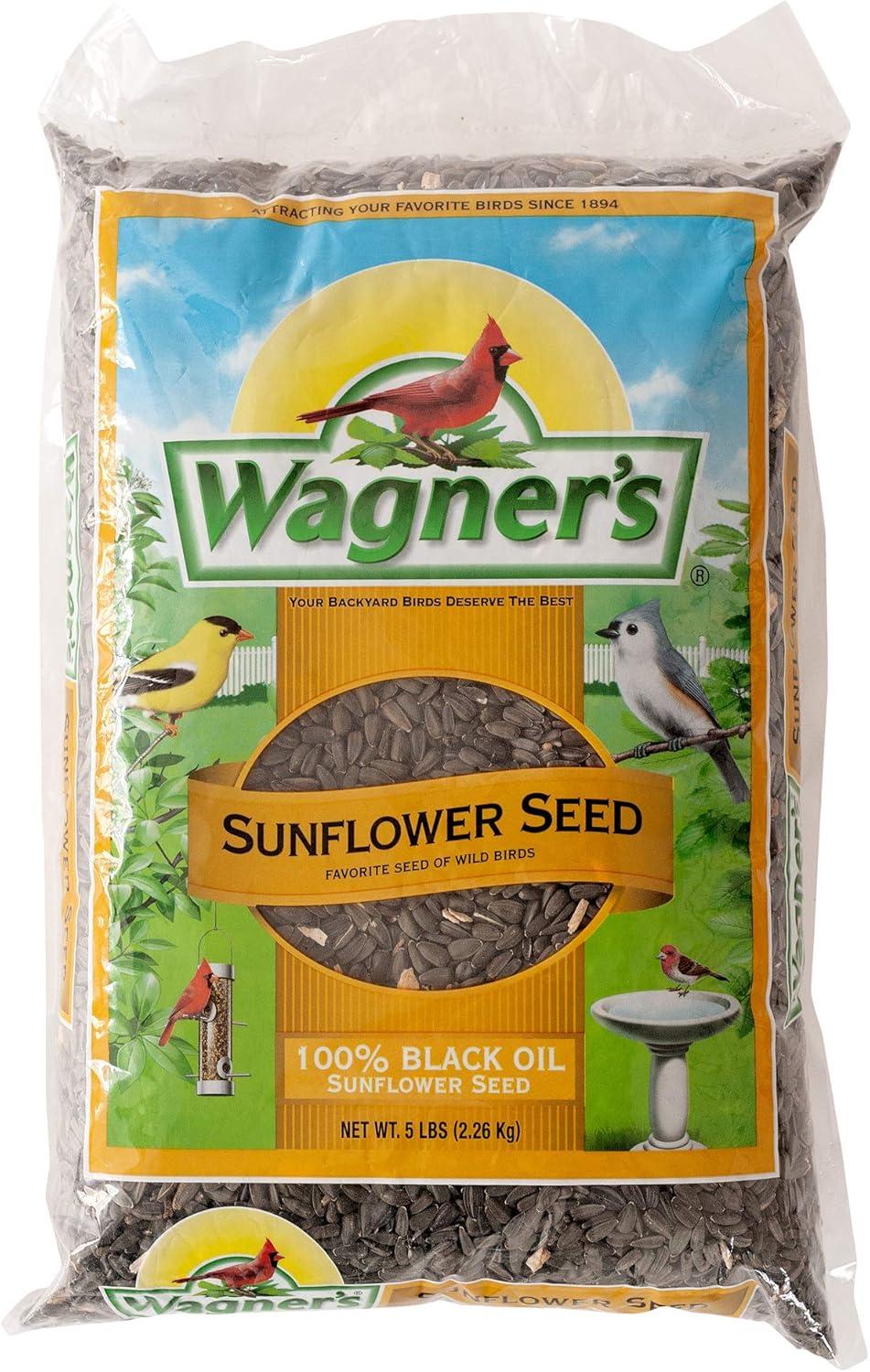
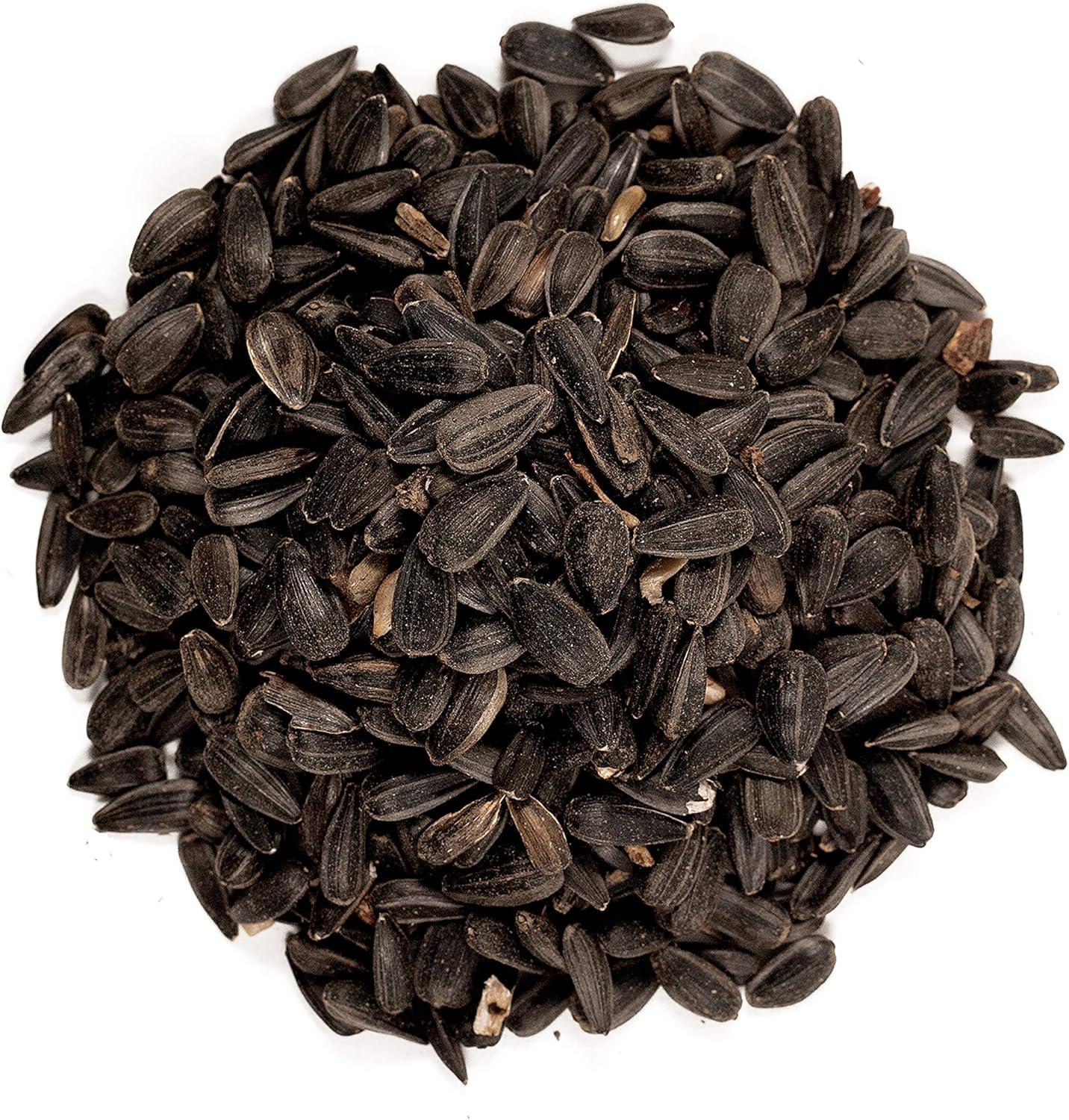
Wagner’s 52023 Black Oil Sunflower Seed stands out for its premium seed quality and thoughtfully designed shell thickness, both crucial factors in making the food accessible to a wide spectrum of wild bird species. The product features carefully selected black oil sunflower seeds, celebrated among bird enthusiasts as a top choice for attracting diverse backyard visitors. These seeds boast a notably thin shell, substantially easing the effort required for even small-beaked birds like chickadees and finches to access the nutritious kernel inside.
Compared to traditional sunflower seeds known for their tough, thick shells, Wagner’s thin-shelled variety reduces waste and frustration for many birds that might otherwise struggle or be deterred by hard-to-crack nuts. This characteristic not only enhances feeding efficiency but also encourages repeated visits from energy-hungry songbirds, including cardinals, woodpeckers, and nuthatches. High energy content combined with shell accessibility positions this seed blend as both a practical and nutritious choice for backyard feeding stations.
| Feature | Wagner’s 52023 Black Oil Sunflower Seed | Traditional Sunflower Seed |
|---|---|---|
| Shell Thickness | Thin, easily cracked by small and large birds | Thick, challenging for small-beaked birds |
| Seed Type | Black oil sunflower seed | Striped sunflower seed |
| Energy Content | High, ideal for sustaining wild birds | Moderate to high |
| Best For | Small to large wild birds, including chickadees, finches, cardinals | Medium to large birds; smaller birds may avoid |
In real-world backyard settings, the ease with which birds can crack open these seeds translates into more sustained feeding activity and less leftover shell litter. This contributes not only to bird well-being but also to cleaner feeding areas. The seeds’ quality and shell design foster a more natural, enjoyable environment where birds of various sizes can feed comfortably and reliably.
upgrade Your Backyard Feeding Experience
Give your feathered friends the best with Wagner’s thin-shelled black oil sunflower seeds. Easy to handle for all birds, energy-packed, and of the highest quality—this seed is a simple way to welcome a vibrant variety of species right to your feeders.
Bird Species Attracted by This Seed Blend
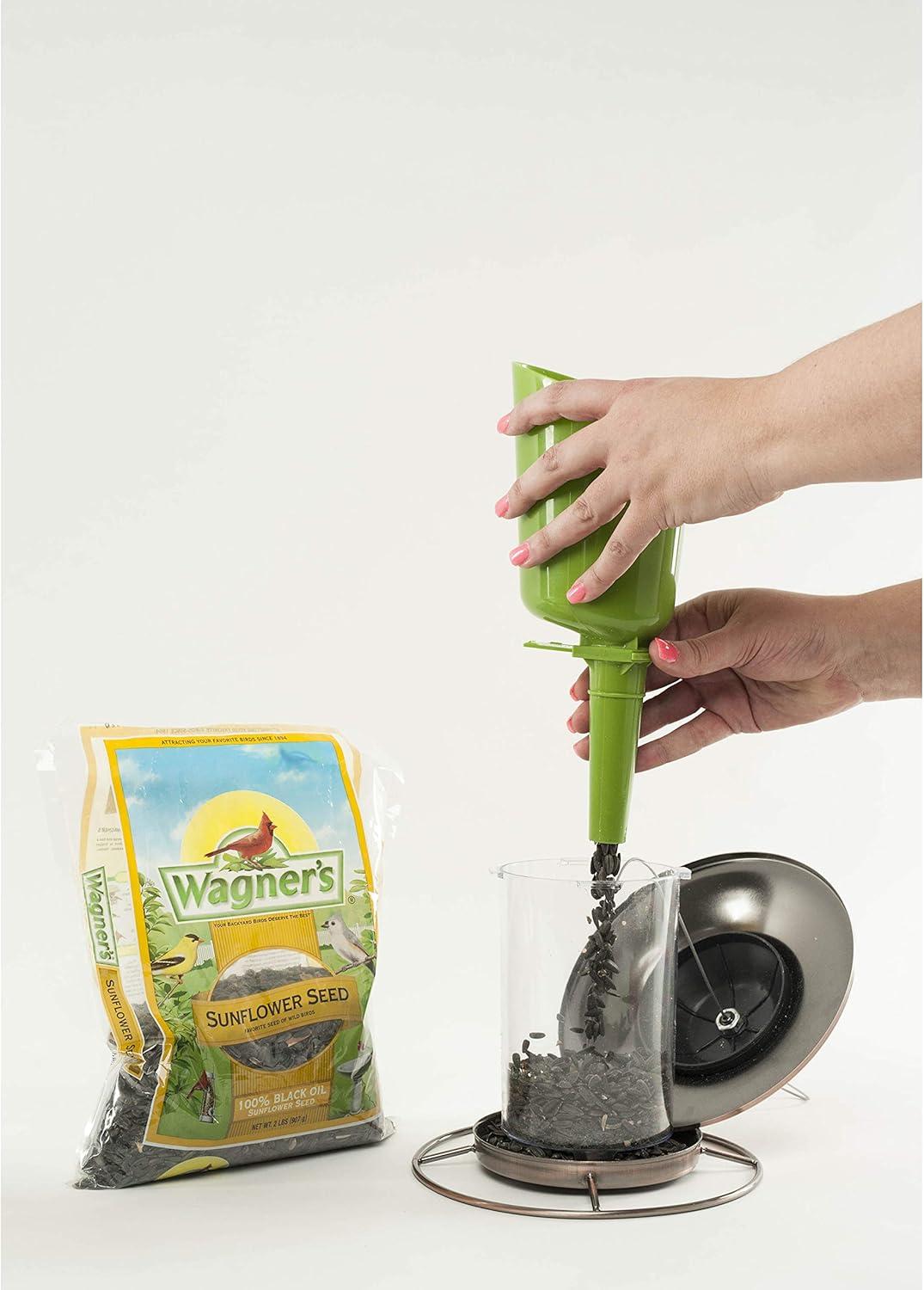
Wagner’s 52023 Black Oil Sunflower Seed is a proven favorite among a diverse range of wild birds, thanks largely to its thin shell and high energy content. The thin shell design makes it accessible for even the smallest of beaked songbirds, ensuring a steady stream of visitors to your feeders throughout the day.
This seed blend is especially favored by classic backyard birds such as Cardinals, known for their vibrant red plumage and melodious songs. Chickadees and Finches also flock to these seeds, attracted by the easy-to-crack shells that require less effort to consume. In addition, insectivorous birds like Nuthatches and bold visitors such as Woodpeckers appreciate the high energy content, especially during colder months when they need extra fuel.
Using tray or hopper feeders enhances visibility and accessibility, inviting a greater variety of birds to your backyard habitat. These feeders provide ample space for multiple birds to feed comfortably, encouraging group visits and lively birdwatching sessions.
| Bird Species | Key Attraction | Feeding behavior |
|---|---|---|
| Cardinals | Bright color and high energy | Prefer feeding on the ground or platform feeders |
| Chickadees | Thin shell eases cracking for small beaks | Often hang upside down on feeders |
| Finches | Easy-to-open seed promotes frequent visits | Feed in flocks, favoring tray feeders |
| Nuthatches | Energy-rich seed supports their active lifestyle | Agile feeders, often cling to feeder sides |
| Woodpeckers | High calorie count aids in energy maintenance | Occasionally feed on platform feeders |
From early mornings to late afternoons, expect a delightful variety of wings fluttering around your feeder. Bird enthusiasts often note that this sunflower seed blend tends to attract more than just the usual suspects—sparrows, titmice, and even some migratory visitors find their way to enjoy the bounty. The robust, high-quality grains ensure the seed retains its appeal across seasons.
Upgrade Your Backyard Bird Feeding Experience
Ready to welcome a vibrant audience of songbirds and woodpeckers? Trust Wagner’s Black Oil Sunflower Seed to deliver the nutrition and accessibility your feathered friends crave.
Ideal Feeding Methods: Tray and Hopper Feeders
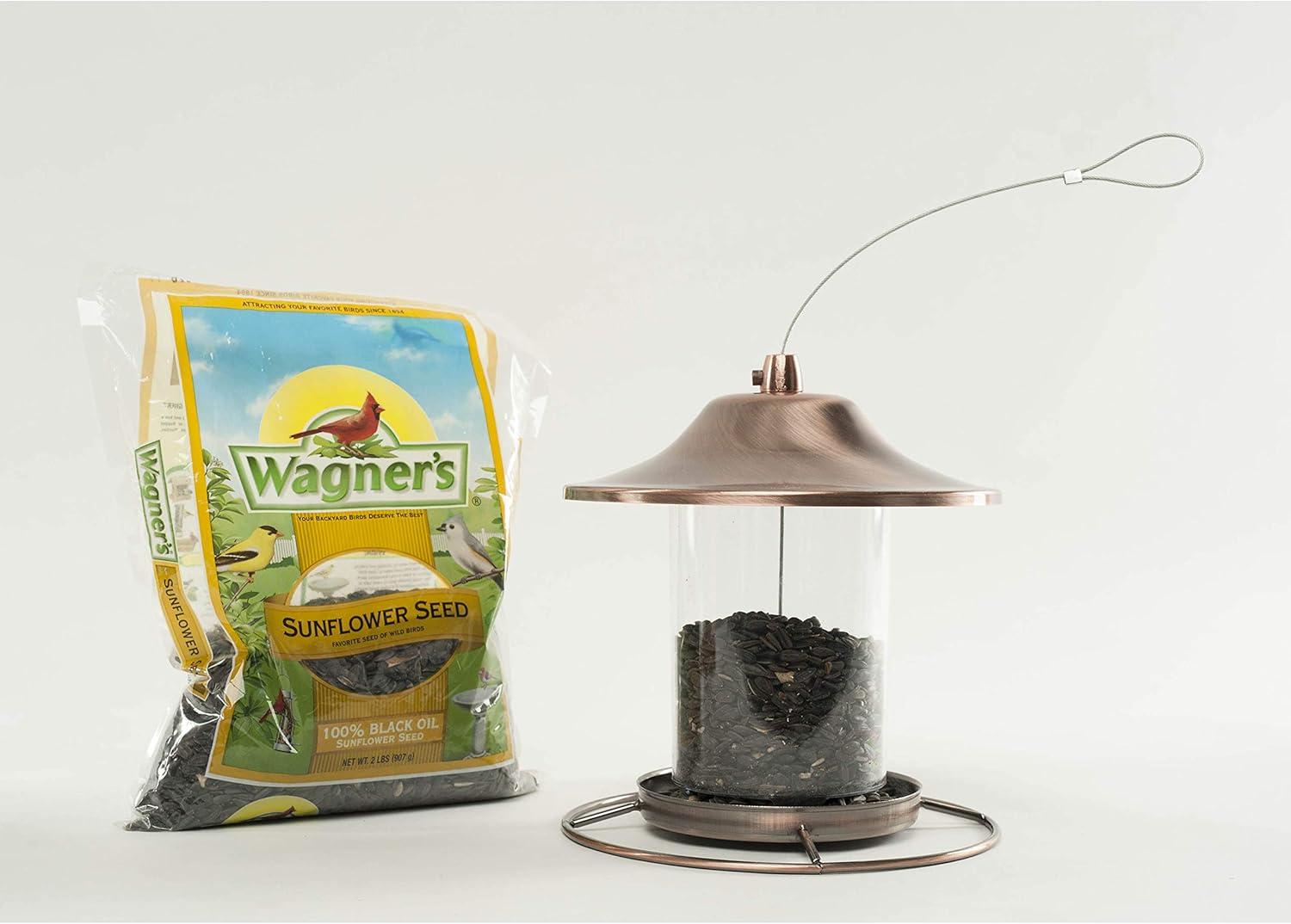
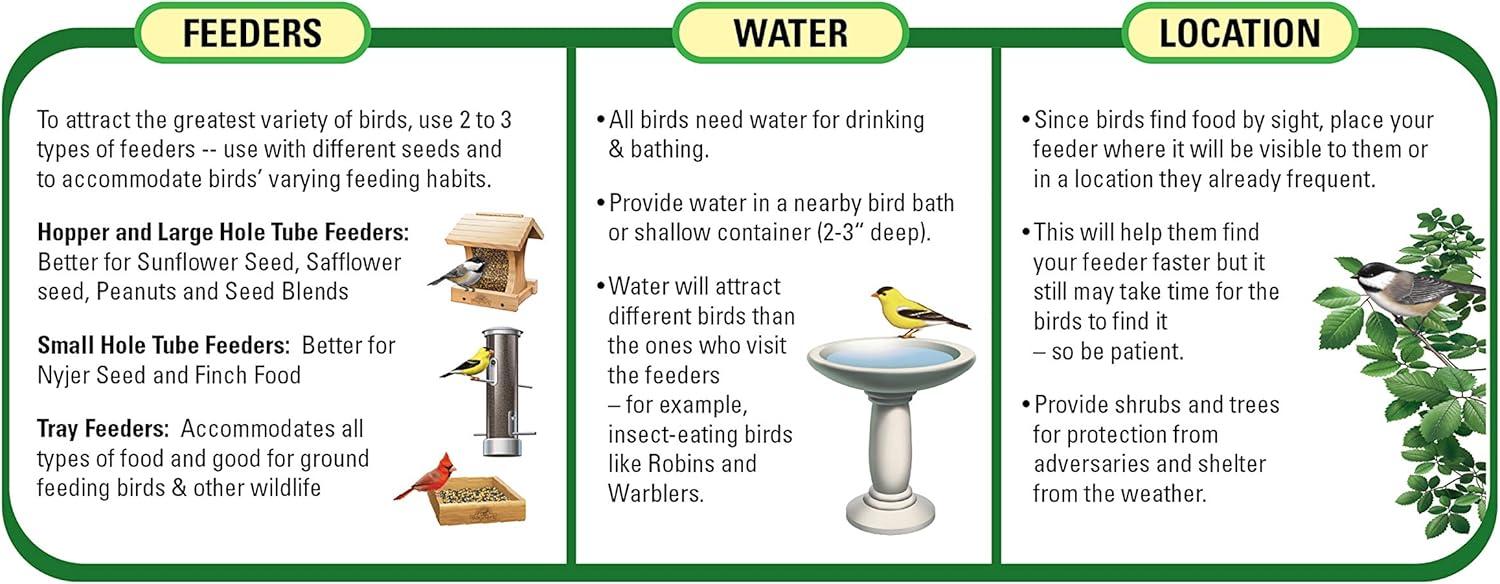
Wagner’s 52023 Black Oil Sunflower Seed is ideally suited for use in both tray and hopper feeders, two of the most popular feeding methods for attracting a diverse range of wild birds. The thin shell of the black oil sunflower seed makes it especially accessible for smaller-beaked birds like chickadees and finches, while its high energy content appeals to larger visitors such as cardinals, woodpeckers, and nuthatches. Both feeder types offer distinct advantages when using this seed, enhancing your backyard birdwatching experience.
Tray feeders provide an open platform where seeds are spread out and easily visible, inviting a variety of birds who prefer to perch and forage on a flat surface. Due to the seed’s small size and thin shell, spilled seeds don’t go to waste; ground-feeders and skittish birds can also benefit from what might fall out, increasing the range of species you attract.
Hopper feeders, by contrast, enclose the seed within a container that dispenses in measured amounts.This design helps keep the black oil sunflower seed dry and protected from the elements, preserving freshness and nutrient quality longer. Hopper feeders also help reduce seed waste and deter larger nuisance animals, while still accommodating the wide array of sunflower-loving songbirds that favor this premium mix.
| Feeder Type | Advantages with Wagner’s Black Oil sunflower Seed | Best For |
|---|---|---|
| Tray Feeder | Easy access for small and ground-feeding birds; visible seed spreads attract multiple species; encourages foraging behavior. | Songbirds like finches, chickadees, and ground feeders such as sparrows. |
| Hopper Feeder | Keeps seed dry and fresh; controlled dispensing reduces waste; deters larger pests; suited for repeated refills. | Cardinals, woodpeckers, nuthatches, and birds preferring perching to ground foraging. |
In practical use, placing a tray feeder filled with Wagner’s black oil sunflower seed in a sheltered, open location invites a lively mix of visitors who appreciate seeds that are easy to crack and high in energy. Hopper feeders, meanwhile, offer a convenient, lower-maintenance option that keeps your seed supply in pristine condition, especially in damp or inclement weather.
Whether you choose a tray feeder’s open simplicity or a hopper feeder’s protective design, Wagner’s Black Oil Sunflower Seed provides nutritious, easy-to-eat food that promotes consistent backyard bird visits and enjoyable birdwatching throughout the seasons.
Upgrade Your Backyard Bird Feeding Setup
Experience the difference of premium black oil sunflower seeds that keep your feathered friends coming back. Equip your feeders with Wagner’s trusted quality and watch your garden come alive with songbirds.
Packaging Size, Storage, and Freshness Considerations
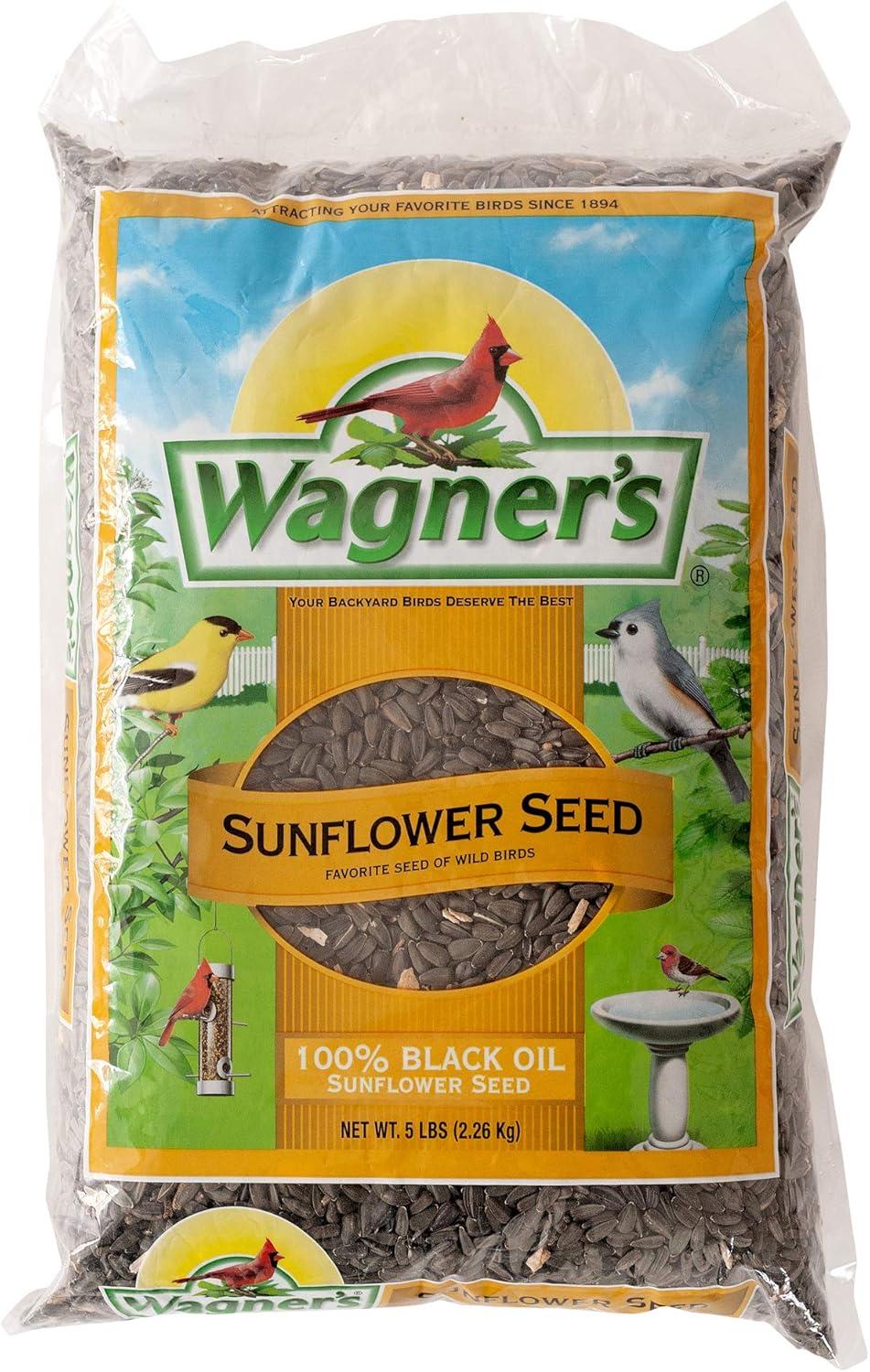
The wagner’s 52023 Black Oil Sunflower Seed comes in a convenient 5-pound bag, measuring approximately 16.85 x 9.57 x 4.06 inches. This size strikes a practical balance between offering enough seed to feed a variety of bird species and maintaining freshness through regular turnover. For backyard bird enthusiasts, 5 pounds is typically sufficient for several weeks when used in tray or hopper feeders, depending on local bird activity and feeder placement.
Given that sunflower seeds are high in oil content, proper storage is crucial to preserve freshness and prevent spoilage. Once opened, it’s best to transfer the seeds to an airtight container and keep them in a cool, dry place away from direct sunlight. This practice helps maintain the seed’s energy-rich quality—something that appeals to smaller birds thanks to its thin shell and ease of consumption.
as Black oil Sunflower Seed naturally attracts a wide variety of songbirds such as Cardinals, Chickadees, Finches, Nuthatches, and Woodpeckers, it’s wise to replenish feeders before the seed runs too low. Keeping the seeds fresh not only preserves their nutritional value but also encourages consistent visits from feathered friends.
| Feature | Details |
|---|---|
| Bag Weight | 5 Pounds |
| Bag Dimensions | 16.85 x 9.57 x 4.06 inches |
| Seed Type | Black Oil Sunflower Seed (Thin Shell) |
| Storage Recommendations | Airtight container, cool and dry location |
| Attracts | Songbirds, Cardinals, Chickadees, Finches, Nuthatches, Woodpeckers |
| Energy Content | High (ideal for active wild birds) |
In real-world use, many bird enthusiasts appreciate how the manageable packaging makes it easy to rotate stock frequently, which helps in keeping the feed fresh and free from mold or insect contamination. It also fits neatly into typical storage spaces, such as garages or pantries, and can be easily portioned into feeders without extra mess. The seed’s thin shell also implies less leftover waste, reducing the need for feeder cleanups related to stubborn shells.
upgrade Your Backyard Birdfeeding Experience
Keep your feathered visitors coming back with the fresh, high-energy taste they love. Grab your 5-pound bag of Wagner’s Black Oil Sunflower seed today and enjoy the vibrant,lively atmosphere that only healthy,happy birds can bring.
Sourcing and Manufacturing: Made in the USA Assurance
Wagner’s 52023 Black Oil Sunflower Seed Wild Bird Food proudly carries the “Made in the USA” distinction, ensuring that the sourcing and manufacturing processes meet strict domestic standards. This commitment translates to a product crafted with quality and local accountability in mind. The sunflower seeds used are selected for their thin shells and high energy content, attributes that not only provide nutritional benefits to a wide range of backyard birds but also reflect meticulous ingredient selection practices.
Produced domestically, Wagner’s leverages established agricultural supply chains to source premium sunflower seeds known for their ease of consumption by small-beaked birds such as chickadees and finches. The seeds undergo cleaning and blending processes within U.S. facilities, maintaining freshness and reducing transit times. This local manufacturing model supports tighter quality control and aligns with consumer preferences for clarity and product integrity.
| Feature | Description |
|---|---|
| Seed Type | Black Oil Sunflower Seed with Thin Shell |
| Energy Content | High,Ideal for Wild Birds’ Nutritional Needs |
| Manufacturing Location | united States |
| Packaging Size | 5 pounds (16.85 x 9.57 x 4.06 inches) |
| Bird Species Attracted | Songbirds, Cardinals, Chickadees, Finches, Nuthatches, Woodpeckers |
From a user’s viewpoint, the “Made in the USA” assurance brings peace of mind—not just in product quality but also in supporting domestic agriculture and industry. The efficient local sourcing means that users can trust the freshness of the seed, which is vital to attracting and sustaining healthy bird populations in the backyard. Whether filling tray feeders or hopper feeders,this domestic origin seed feels like a responsible choice for both the environment and the avian community it’s intended to nourish.
Upgrade Your Backyard Bird Feeding Experience
Experience the quality and reliability of Wagner’s Black Oil Sunflower Seed—grown and processed right here in the USA. Bring nature’s favorite high-energy seed to your feeders today and enjoy a lively, feathered flock all season long.
Comparing Wagner’s Sunflower Seed to Other Wild bird Foods
When comparing Wagner’s 52023 Black Oil Sunflower Seed to other popular wild bird foods, several distinguishing features come into focus. Unlike mixed seed blends or shelled peanuts, Wagner’s black oil sunflower seeds stand out primarily due to their high energy content and thin shells. This combination makes them accessible—and highly attractive—to a broad spectrum of wild birds, especially those with smaller beaks such as chickadees and finches, which often struggle with thicker-shelled alternatives.
Many seed blends contain fillers or seeds less preferred by birds, such as millet or milo, which can sometimes attract unwanted species or go uneaten, leading to seed waste and increased feeder maintenance. In contrast, Wagner’s sunflower seed is beloved by songbirds, cardinals, woodpeckers, and nuthatches alike, resulting in higher seed consumption rates and a livelier backyard feeder.
| Feature | Wagner’s Black Oil sunflower Seed | Mixed Seed Blends | Nyjer (Thistle) Seed | Peanuts (Shelled) |
|---|---|---|---|---|
| Primary Bird Attraction | Songbirds, Cardinals, woodpeckers, Finches | Varies widely; often ground feeders | Finches, Goldfinches, Siskins | Jays, Woodpeckers, Nuthatches |
| Shell Thickness | Thin | Varies; often thicker | None (small seed) | Hard shells |
| Energy Content | High | Moderate | High (oil-rich) | High |
| Feeder Types Recommended | Tray, Hopper | Tube, Tray, Hopper | Specialty Nyjer feeders | Platform, Specialty feeders |
| Mess Level | Low to moderate | High (due to hulls and fillers) | Low | Moderate to high |
| Price Range | Moderate | Low to moderate | Higher | moderate |
from a practical perspective, the thin shell of Wagner’s sunflower seed reduces feeding frustration for a broad diversity of birds, which translates to better engagement and frequent visits to your feeder. This is particularly beneficial during colder months when birds need dense nourishment to fuel their activity. Additionally, because the seeds have less hull waste than many other varieties, clean-up is easier and more manageable, a welcome benefit for any backyard enthusiast.
Unlike Nyjer seed, which is prized for finches but requires specialized feeders, Wagner’s sunflower seed adapts well to common feeder types, making it a versatile choice for those building their bird feeding experience. This versatility also helps attract a wider variety of species, creating a dynamic and colorful spectacle in your garden or yard.
while specialized seeds like Nyjer and peanuts have their place in niche feeding, Wagner’s 52023 Black Oil Sunflower Seed offers a balanced, accessible, and energy-rich option that caters to a broader range of birds, making it an excellent staple for wild bird feeding enthusiasts.
Upgrade Your backyard Bird Feeding Game
experience the convenience and bird-pleasant appeal of wagner’s premium black oil sunflower seed. Attract a vibrant variety of wild birds and enjoy watching your feathered friends thrive with high-energy, easy-to-eat food. Grab your 5-pound bag today and make your garden the favorite stop for local songbirds and more.
Environmental impact and Sustainability Aspects
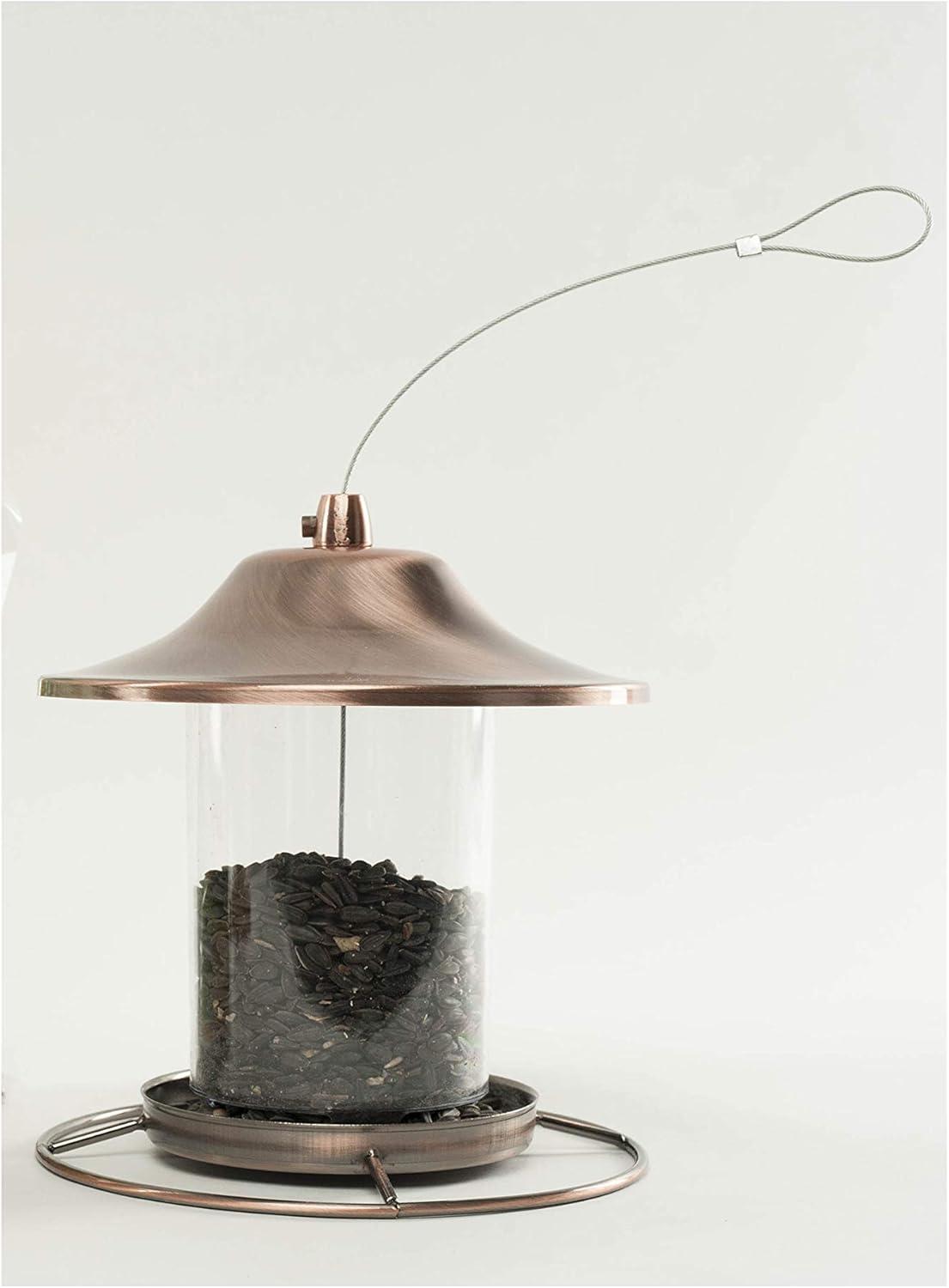
Wagner’s 52023 Black Oil Sunflower Seed Wild Bird Food offers a product well-regarded among backyard bird enthusiasts, but its environmental and sustainability profile warrants a closer look. The seed itself is a natural product, sourced primarily from high-quality sunflower crops within the USA, which supports domestic agriculture and reduces the carbon footprint associated with long-distance shipping. This domestic production is a positive indicator of localized sourcing,which frequently enough translates to lower transportation emissions and more controlled agricultural practices.
Black oil sunflower seeds are known for their thin shells and high-energy content, making them an energy-rich food source favored by a wide range of bird species. From an ecological perspective, this variety supports diverse avian populations by providing nutritional support during colder months or sparse feeding times. Such diversity helps maintain healthy bird populations, which play crucial roles in ecosystems, from seed dispersal to pest control.
One aspect where Wagner’s could improve from a sustainability standpoint is the packaging. The 5-pound bag, while sturdy and protective of the seeds, is typically made from plastic or multi-material laminates. These materials, unless specified as recyclable or biodegradable, contribute to landfill accumulation after use. Consumers seeking to minimize environmental impact might consider reusing bags or disposing of them through local recycling programs where available.
Looking beyond packaging, the growing of black oil sunflower seeds generally requires moderate water use and standard agricultural inputs. While not a perfect zero-impact crop, sunflower farming tends to be less taxing on soil compared to other intensive crops.Still, future improvements toward organic or regenerative agriculture methods could enhance the brand’s sustainability credentials.
| Feature | Environmental Consideration |
|---|---|
| seed Origin | Sourced in the USA, reducing transportation emissions |
| Crop Type | Sunflower; moderate water and land use |
| Packaging | Plastic/multi-material bag; potential recycling challenges |
| Biodiversity Impact | Supports a wide variety of wild birds, enhancing local ecosystems |
| Production Practices | Conventional methods; potential for future organic certification |
In practical backyard usage, bird watchers appreciate that this seed attracts an array of species, encouraging healthier bird activity and greater biodiversity. Providing such diverse nutrition may indirectly support natural pest control and pollination, aligning backyard bird feeding with broader ecological benefits. However, mindful disposal of packaging and moderate feeding can further minimize any negative environmental impacts.
upgrade your Backyard Bird Feeding Experience
Discover how Wagner’s Black Oil Sunflower Seed can bring more vibrant wildlife to your outdoor space while supporting responsible sourcing. Ready to make a positive impact in your backyard? Shop now on Amazon and provide energy-rich nutrition for the birds you love to watch.
Customer Feedback and Backyard Birdwatching Experiences
Wagner’s 52023 Black Oil Sunflower Seed Wild Bird Food has earned a loyal following among backyard bird enthusiasts for its ability to attract a diverse array of feathered visitors. Birdwatchers have praised the thin shell of the sunflower seeds, noting how it allows even small-beaked birds like chickadees and finches to easily access the nutritious kernels. This accessibility is a vital feature for many, as it encourages a more inclusive feeding environment.
Many users report an immediate increase in bird activity upon using this seed, highlighting the presence of vibrant cardinals, energetic woodpeckers, and inquisitive nuthatches. The high energy content of the seeds translates into lively and frequent visits, making birdwatching sessions more rewarding. Seasonal changes often bring diffrent songbirds,and Wagner’s formula seems to cater well to a broad spectrum throughout the year.
Practical insights from customers reinforce the suitability of this product for tray or hopper feeders, which tend to keep the seeds clean and accessible. Some reviews mention the ease of handling and minimal seed waste as additional advantages.The resealable packaging also helps maintain freshness, a detail many backyard watch enthusiasts appreciate for prolonged use.
| Feature | Customer observations |
|---|---|
| Seed Accessibility | Thin shells make seeds easy to crack for small-beaked songbirds |
| Bird Species Attracted | Cardinals, Chickadees, finches, Nuthatches, Woodpeckers, and more |
| Feeder Types Preferred | Tray and hopper feeders recommended for optimal feeding experience |
| Energy Content | High energy seeds promoting active and frequent visits |
| Packaging | resealable and maintains seed freshness well |
the overall sentiment from backyard birders is one of satisfaction and joy, often emphasizing how Wagner’s Black Oil Sunflower Seed transforms the yard into a lively natural sanctuary. Whether you are a seasoned birdwatcher or a casual feeder, this product tends to deliver consistent and colorful wildlife visits, enriching the outdoor experience.
Upgrade Your Backyard Birdwatching Today
Experience vibrant visits from your favorite wild songbirds with wagner’s premium Black Oil Sunflower Seed.Easy to feed and packed with energy, it’s the trusted choice to bring life to your garden.
Value for Money and Purchase Recommendations
Wagner’s 52023 Black Oil Sunflower Seed Wild Bird food offers a compelling balance of quality and cost, making it a popular choice among bird enthusiasts. At a moderate price point for a 5-pound bag, it delivers high-energy seed with a thin shell that caters to a wide variety of birds, including Cardinals, Chickadees, and woodpeckers. This ease of consumption is particularly valuable for smaller birds, which frequently enough struggle with thicker shells found in other seed varieties. The product’s thin-shelled sunflower seeds also mean less waste, translating into better value over time.
The 5-pound bag size fits comfortably in most backyard feeding setups without requiring frequent repurchasing, yet remains manageable and fresh between uses. Given its nutrient-dense composition, a smaller quantity frequently enough goes a long way in attracting and sustaining local bird populations through colder months or migration seasons.
| Feature | Wagner’s 52023 Black Oil sunflower Seed | Common Alternatives |
|---|---|---|
| Weight | 5 Pounds | 5-10 pounds |
| Seed Type | Black Oil Sunflower (Thin Shell) | Mixed Seed Blends, Thicker Shell Sunflower |
| Energy Content | High | Medium to High |
| Intended Bird Types | Songbirds, Cardinals, Finches, Woodpeckers | Varies, frequently enough includes larger birds |
| Packaging Dimensions | 16.85″ x 9.57″ x 4.06″ | Varies |
| Made In | USA | Varies |
From a practical standpoint, users who want to establish or maintain a consistent backyard bird habitat will appreciate Wagner’s focus on a single, high-quality seed variety. This simplifies feeder maintenance and minimizes leftover seed debris. For those living in regions where bird diversity is high, this seed stands out for its ability to attract a broad spectrum of feathered visitors without the need to rotate multiple types of feed.
However, if you prefer a more varied seed mix designed to attract larger birds as well, or if you want to experiment with different feeding blends seasonally, then this may not cover all bases. Still, the product’s purity and energy density give it a solid edge for targeted bird feeding enthusiasts who prioritize ease-of-eating for small-beaked birds.
if you are aiming to reliably attract common backyard songbirds and value a nutritious seed that maximizes consumption and reduces waste,Wagner’s 52023 Black Oil Sunflower Seed is a worthwhile investment.Its American manufacture, trusted seed quality, and favorable packaging size combine to offer both convenience and consistent bird appeal.
Upgrade Your Backyard Bird Feeding Experience
Bring a swirl of lively colors to your garden with Wagner’s Black Oil Sunflower Seed — a favorite among birds and bird watchers alike.
Customer Reviews Analysis
After gathering and reflecting on numerous customer experiences with Wagner’s 52023 Black Oil Sunflower Seed, we’ve noticed a distinct pattern in how this wild bird food performs in backyard settings. Most users praise its ability to attract larger, vibrant birds like cardinals, frequently enough the primary reason for choosing this seed mix over others. Many highlight noticeable visits from cardinals and other similar species, contrasting previous seeds that only brought in smaller birds like sparrows. The seed’s color and size appear perfectly suited to the feeding preferences of these birds,providing the high-energy snack they favor.
Freshness and odor also come up positively; several reviewers mention the absence of any unpleasant smells or mold,signaling good product quality upon delivery. This freshness seems to resonate well with both birds and bird watchers alike, making feeding time a delightful event.Our community appreciates that the seeds remain intact after feeding, with little to no empty shells left behind, which translates to less waste and a more efficient feed.
Though, the product isn’t without minor drawbacks. A few customers have pointed out some contamination like wood chips or debris mixed in the seed, which can be a bit off-putting, especially in larger quantity bags. While this doesn’t seem to affect the birds’ enjoyment, it may be a concern for those prioritizing utmost purity and tidiness. Additionally, the bulk packaging can pose storage challenges, something to consider if you have limited space.
Many have noted that this sunflower seed blend appeals not only to diverse bird species but also to other outdoor creatures such as squirrels, raccoons, and opossums, depending on how it’s offered. This versatility, while exciting for wildlife watchers, might require strategic feeder placement to balance who visits your yard. Interestingly, some species like woodpeckers reportedly show less interest, highlighting the seed’s specific appeal rather than universal attraction.
| Top Praises | Common Complaints |
|---|---|
| Effectively attracts cardinals and larger birds | Presence of wood chips and debris |
| Fresh, odor-free seed with minimal empty shells | Bulk bag storage and handling can be cumbersome |
| Versatile: appeals to a variety of outdoor wildlife | Not favored by all bird species (e.g., woodpeckers) |
All in all, Wagner’s Black Oil Sunflower seed scores highly on effectiveness and freshness, making it a fantastic choice if your goal is to invite the bold beauty of cardinals and similar songbirds into your backyard. The minor issues with debris and bulk storage are manageable trade-offs for many bird lovers, given the joy this high-energy treat brings to local wildlife.
Bring the Charm of Cardinals to Your backyard — Get Yours Today on Amazon!
Pros & Cons
- High-energy black oil sunflower seeds provide essential fuel for all backyard birds.
- Thin shells make it easy for small-beaked birds like chickadees and finches to enjoy.
- Attracts a wide variety of birds including cardinals, woodpeckers, nuthatches, and songbirds.
- Great for use in tray or hopper feeders, increasing visibility and accessibility for birds.
- Made in the USA with quality grains,ensuring freshness and reliability.
- Trusted by backyard bird enthusiasts and experts alike for consistent performance.
- No strange odors or residues,keeping our feeding area pleasant and clean.
- Supports attracting larger, colorful birds like cardinals that other mixes often miss.
- Large 5-pound bag can be cumbersome to store, especially if you don’t feed frequently.
- Some users have noticed wood chips and debris mixed in the seeds, requiring extra sifting.
- Not ideal if you want to exclude squirrels and other wildlife—they love it as much as birds!
- Woodpeckers may be less attracted compared to other seed blends or food types.
- May lead to faster feeder refills due to popularity among diverse backyard critters.
Q&A
What makes Wagner’s 52023 Black Oil Sunflower Seed a favorite among backyard birds?
We’ve found that the thin shell of Wagner’s black oil sunflower seeds makes them especially easy for a wide variety of birds to crack open, including those with smaller beaks. Plus, the seeds pack a high energy punch that wild birds need to stay active and healthy, which is why so many feathered friends flock to this snack.
Which types of birds are most attracted to this sunflower seed blend?
This seed mix attracts a broad range of songbirds like Cardinals, Chickadees, Finches, nuthatches, and Woodpeckers. Its versatility means our backyard feels lively and colorful, whether early morning or late afternoon.
How should we feed Wagner’s sunflower seeds to get the best bird activity?
We recommend using tray feeders or hopper feeders to offer the seeds. These feeder types provide easy access, so birds can perch comfortably and enjoy the seeds. We’ve noticed this setup really encourages repeated visits from our favorite sunflower-loving guests.
Is this product suitable for smaller birds and species with delicate beaks?
Absolutely. The thin shells on these black oil sunflower seeds make them easy to open, even for smaller, more delicate-beaked birds. This thoughtful design helps ensure a diverse group can enjoy this high-energy food without any struggle.
How does the energy content of these seeds benefit wild birds?
The high oil content in black oil sunflower seeds provides essential calories and fats that help birds maintain energy — especially important in colder months or during migration. We like knowing we’re giving our backyard visitors a nutritious boost that keeps them healthy and active.
Where is Wagner’s Black Oil Sunflower Seed made?
We appreciate that this product is proudly made in the USA, ensuring consistent quality and supporting domestic production.
Is Wagner’s sunflower seed a high-quality bird food?
Yes, Wagner’s uses only the highest quality grains in its blend. We can tell the difference in the freshness and cleanliness of the seeds,which means fewer husks and debris,and happier birds.
What are the package dimensions and weight of the product?
the bag measures approximately 16.85 x 9.57 x 4.06 inches and weighs just over 5 pounds, making it a convenient size to store and refill feeders regularly without hassle.
How long has wagner’s 52023 Black Oil Sunflower Seed been available?
This product has been trusted by bird enthusiasts sence December 2009, so it’s a well-established favorite in the backyard bird feeding community.
Experience Innovation
As bird lovers, we know that providing the right food not only nourishes our feathered friends but also brings our backyards to life with vibrant activity. Wagner’s 52023 Black Oil sunflower Seed offers that perfect balance of high energy and easy-to-eat shells, making it a favorite among an notable variety of songbirds. From Cardinals to Chickadees, this seed invites a colorful chorus that brightens any day. If you’re looking to create a bustling haven for wild birds, this is the snack that truly makes them flock.
ready to welcome more joyous visitors to your feeders?
Check out Wagner’s Black Oil Sunflower Seed on Amazon and start attracting your backyard birds today!
54 reviews for Why Our Backyard Birds Flock to This High-Energy Snack
Add a review




Top Aquarium Gear: Tanks, Lights, Filtration & More Reviewed
When it comes to creating the perfect aquatic environment, having the right gear can make all the ...
Top Rainbow Fish Care and Aquarium Kits for Every Hobbyist
When it comes to keeping rainbow fish—a vibrant, active species beloved by aquarists—having the ...
Top Aquarium LED Lights for Every Tank: Bright, Colorful & Customizable
When it comes to illuminating your aquatic world, the right LED light can transform your tank into ...


Carolyn Nelson –
I love watching the birds in my backyard! It’s amazing how quickly they flock to high-energy snacks, especially during the colder months when they need that extra fuel. What specific ingredients do you recommend for making the best bird treats?
Peter Barnes –
Absolutely, birds are so fascinating to observe! I’ve noticed they really go for seeds like sunflower and safflower, as well as nuts and dried fruits. Homemade suet cakes are also a big hit — they provide so much energy! Are there any unique recipes you recommend?
Arthur Barnes –
I completely agree with you both! It’s incredible how some simple ingredients can attract so many different bird species. I often use a mix of peanut butter, oats, and seeds for homemade treats — they absolutely love it! What about using mealworms? I’ve heard they can be a great addition for protein-loving birds!
Sarah Harrison –
I’ve found that adding dried fruit like raisins or cranberries to my homemade bird snacks really gets their attention, plus it provides extra energy! Also, mixing in some crushed eggshells can offer a calcium boost for them. It’s so rewarding to see such a variety of birds enjoying what we’ve made!
Charles Wells –
I think a combination of rendered beef fat and nut butter mixed with seeds creates an irresistible treat for birds, especially during winter; it’s fascinating to see how quickly they gather when those high-energy snacks are available!
Timothy Foster –
I always enjoy experimenting with different blends for my feathered friends! I’ve found that incorporating things like coconut flakes and dried mealworms into my bird treats not only boosts energy but also attracts a wider variety of species. It’s a daily joy to see the vibrant colors and hear the cheerful chirps as they indulge!
Danielle Jordan –
I love how all these ingredients can create such a festive atmosphere in the backyard! I’ve had great success using a mix of sunflower seeds, peanut butter, and cornmeal for energy-rich snacks—it’s amazing to see the variety of birds that come around. Have any of you tried adding spices like cinnamon or chili powder? I’ve heard they can be interesting additions that some birds might enjoy!
Betty Ross –
I’ve had similar experiences with my backyard birds! Mixing mashed bananas with suet has been a game-changer for attracting both songbirds and woodpeckers. They seem to love that extra sweetness and energy boost, especially in colder months. It’s so much fun to watch the different species come together for a feast! Have any of you tried adding nuts like chopped peanuts or almonds?
Kevin Harrison –
I completely agree, Sarah! I’ve started adding oatmeal to my bird mix, and the reaction has been incredible. It’s great to see them enjoy such a nutritious snack, and I’ve even noticed more feathered friends stopping by since I made the change! Have you noticed any new visitors to your yard since you started mixing in those dried fruits?
Robert Harris –
I’ve recently started incorporating elderberries into my bird feed, and the results have been astonishing! The variety of birds flocking to my yard has increased dramatically, and it’s wonderful to see them thriving on such a nutritious option. Has anyone else tried using elderberries or any other unusual ingredients to mix things up?
Johnny Stewart –
I’ve been mixing in some dried cranberries and pumpkin seeds with my regular feed, and the response has been fantastic! The birds seem to really love the combination, and I’ve spotted some new species visiting that I hadn’t seen before. It’s such a joy to witness their excitement! Has anyone else had luck with different fruit and seed combos?
Mary Cole –
I love hearing all these creative ideas! I’ve been experimenting with a mix of wild bird seed and crushed pecans, and the birds seem to go crazy for it. It’s such a delight to see them flocking in! Has anyone tried adding coconut flakes? I’d love to know how that worked out for you!
Charlotte Harris –
I love all these fantastic ideas! I recently started incorporating crushed sunflower seeds into my mix, and the birds are absolutely loving it! It’s amazing to see the variety of birds that come flocking in for this energy boost. Has anyone else had success with sunflower seeds or any other high-energy ingredients?
Emily West –
I’ve been experimenting with adding peanut butter to my bird feeder, and the response has been amazing! The birds can’t get enough of it, and I’ve seen so many more species than before. Has anyone else tried this or have other favorite high-energy snacks to share?
Dennis West –
I love all these ideas! I’ve been adding chopped nuts and oats to my feeders, and the birds are going wild for it! It’s so fun to watch them come in and enjoy the feast. Has anyone else tried combining different nuts or grains for an even bigger variety?
Julie Perez –
I’ve recently started adding suet cakes to my feeders and the response has been incredible! The birds are flocking in like never before, and it’s so rewarding to see them enjoying this nutritious treat. Has anyone else tried making their own suet blends with different ingredients?
Rachel Russell –
I’m so inspired by all these great suggestions! I recently started using a mix of dried fruits and seeds in my feeder, and the birds are absolutely loving it! It’s such a joy to see all the different species visiting. Has anyone else tried adding fruit to their bird feeders?
Jeffrey James –
I’ve been using a blend of millet and cracked corn, and the birds are really thriving! It’s so delightful to watch them all come together for this tasty snack. Has anyone else had success with different grains or seeds?
Henry Sanchez –
I’ve been blending sunflower seeds with some ground peanuts, and the turnout has been fantastic! It’s fascinating to see such a diverse array of birds enjoying this mix. Has anyone else found unique combinations that attract specific species?
Jason Henderson –
I’ve been experimenting with adding mealworms to my birdseed mix, and it’s been a game changer! The response from the birds has been unbelievable, and I love how it attracts some of the less common species. Has anyone else tried incorporating protein-rich snacks?
Jill Alexander –
I love the variety of snacks everyone is trying! I recently switched to a high-energy seed mix with extra fats and proteins, and the energy and activity it has brought to my backyard is amazing. It feels like a little bird party every day! Has anyone experimented with different brands or homemade mixes for even better results?
Jonathan Myers –
I’ve found that adding nut pieces to my bird feeders has been a hit! The energy boost seems to really attract a wide variety of birds, and it’s so rewarding to watch them enjoy the mix. Has anyone experimented with specific types of nuts for different bird species?
Amy Barnes –
I recently started adding dried fruits to my bird feeders, and it’s been incredible to see how many birds are drawn to them! The colorful mix not only attracts a variety of species but also brightens up my backyard. Has anyone else had success with incorporating fruits into their bird feeding routine?
Paul Flores –
I’ve started using a combination of suet cakes and high-energy birdseed, and the birds have been flocking to my feeders like never before! It’s great to see both the familiar and new species stop by. Has anyone else tried mixing suet with other snacks for an added boost?
Emily Diaz –
I’ve been using a blend of seeds and peanut butter, and it’s incredible how many birds show up for it! They seem to love the sticky texture, and it keeps them coming back for more. Has anyone else had success with peanut butter or other spreads in their backyard feeding?
Mary Powell –
I’ve been making my own bird feeder blends using crushed sunflower seeds and grated cheese, and the response has been fantastic! The birds seem to love the rich flavors and energy boost, and I’ve noticed a lot more visitors since I started. Has anyone else tried cheese or other unconventional ingredients in their feeding?
Steven Adams –
I’ve been using a mix of oats and honey in my feeders, and the response has been amazing! The birds seem to love the sweetness, and I’ve noticed not just more visitors, but also a variety of species that I hadn’t seen before. Has anyone else tried using grains or sweeteners in their bird snacks?
Shirley Roberts –
I’ve been experimenting with using mealworms in my bird feeders, and the difference has been astonishing! The birds are absolutely drawn to them, and I’ve seen both small songbirds and even larger species enjoying the high-protein treat. Has anyone else had good luck with mealworms or other protein-rich snacks?
Jean Parker –
I’ve been adding some dried fruit to my feeders, and the results have been surprising! The birds are absolutely enamored with the sweet treats, especially the orioles and tanagers – they’ve been visiting nonstop. Has anyone else had success with fruit or other unique additions to attract more bird species?
Valerie Smith –
I’ve been incorporating various nut butters and seeds into my feeders, and the results have been remarkable! The birds absolutely can’t resist the combination, and I’ve seen an increase in both common and rare visitors. Has anyone else experimented with nut-based snacks or other creative mixes to lure in more feathered friends?
Gary Collins –
I’ve been mixing peanut butter with cornmeal and adding it to suet cakes, and the birds are absolutely flocking to it! It’s become a favorite among the woodpeckers and wrens. I’m curious if anyone else has combined suet with other ingredients for an even more enticing treat?
Johnny Woods –
I’ve been mixing crushed sunflower seeds with some coconut flakes, and the birds are loving it! It’s exciting to see a mix of different species coming in, especially the sparrows and chickadees. Has anyone else had success with coconut or other unconventional ingredients?
Brittany Ortiz –
I’ve recently started adding crushed oats and a sprinkle of cinnamon to my bird mix, and it seems to be a hit! I’ve noticed more finches and a few unexpected visitors showing up. Has anyone tried similar mixes or other grains that attract a variety of birds?
Elizabeth Gonzales –
I’ve started mixing millet with dried mealworms and the response has been incredible! The variety of birds visiting has soared, especially the jays and cardinals. I’m curious if anyone else has tried this combination or has tips for other protein-rich ingredients to keep the party going!
Jean Walker –
I’ve been adding dried fruit to my birdseed mix, and I’ve noticed an uptick in colorful visitors like orioles and grosbeaks! I’d love to hear if anyone else has tried this or has other fruit-based ideas to attract even more birds!
Kenneth Woods –
I’ve been experimenting with adding some crushed nuts and a sprinkle of nutritional yeast to my bird mix, and the variety of visitors has definitely increased! It’s fascinating to see new species like nuthatches and bluebirds coming around. Has anyone else tried incorporating nuts or other unique flavors to entice even more feathered friends?
Beth Russell –
I’ve been blending peanut butter into my birdseed, and it’s been a game-changer! The increase in visitors, especially woodpeckers and wrens, has been amazing. I’m curious if anyone else has experimented with spreads or other high-energy treats to bring in even more birds!
Megan Brown –
I’ve been incorporating sunflower hearts and a bit of safflower seed into my bird feeding routine, and the response has been phenomenal! I’ve seen so many different species, particularly sparrows and chickadees, come to the feeders. Has anyone else tried sunflower or safflower combinations that have worked well for their feathered guests?
Brittany Gonzales –
I’ve recently started adding chia seeds to my bird feeders along with my usual mix, and the results have been surprising! The finches love them, and I’m even seeing more cardinals and jays than usual. Has anyone else experimented with chia or similar seeds to boost their birdwatching experience?
Judy Hall –
I love the idea of adding dried fruit, Jean! I’ve also been trying out mealworms mixed with my seed blend, and the wrens and robins seem to go wild for them. Has anyone found success with more protein-rich snacks to draw in different species?
Caleb Phillips –
I’ve been trying out a mix of crushed pumpkin seeds and dried mealworms, and it’s been a hit! The variety of birds at my feeders has exploded, especially with the arrival of orioles and finches. I’d love to hear if anyone else has tested different seed combinations or textures for better bird attraction!
Susan Harris –
I’ve started offering a mix of fat balls with suet and nuts, and the results have been incredible! The increase in activity, especially from species like nuthatches and blue jays, has made my birdwatching so much more exciting. Has anyone else combined similar high-energy snacks for better results?
Arthur Peterson –
I’ve been mixing in crushed peanuts with my regular seed mix, and it’s brought so many new birds to my yard, especially titmice and woodpeckers! I’m curious if anyone else has had success with nut combinations or any other high-energy additions to attract a wider variety of feathered friends?
Curtis Anderson-Mcdonald –
I’ve been incorporating sunflower hearts into my feeders, and it’s like a magnet for all kinds of birds! I’ve noticed that not only do the chickadees and goldfinches love them, but even ground feeders like sparrows are showing up more often. Has anyone had luck with other types of seeds or snacks that attract different species?
Terry Hughes –
I’ve found that offering a mix of dried insects and high-protein seeds has really created a buzz in my yard! The variety of birds, including wrens and woodpeckers, has been amazing. I’m curious if anyone has experimented with certain ratios or additional ingredients that have worked better for attracting specific birds?
Janet Henderson –
I’ve recently started using a blend of hemp seeds and dried fruit, and the influx of birds has been fantastic! Hummingbirds and warblers seem especially drawn to it. I’m wondering if anyone has other unconventional mixes that have worked for them?
Denise Mcdonald –
I’ve tried adding oatmeal and peanut butter to my mix, and the response has been fantastic! I’ve had a surge of wrens and thrushes visiting my feeders, which I rarely saw before. I’d love to hear more about other creative combinations that have worked for you all!
Samantha Myers –
I started using a blend of suet cakes and birdseed, and it’s been a game changer for attracting so many different species! I’ve even had the rare sight of orioles visiting my yard. I’m eager to hear if anyone else has tried suet mixes or has suggestions for other high-energy options that have worked for them!
Lisa Mcdonald –
I’ve had great success with a mix of millet and crushed nuts; it seems to draw in all sorts of visitors, from cardinals to finches! I’m curious if anyone else has tried nut blends or specific seed types that really brought a variety of birds to their feeders.
Julie Johnson –
I’ve had great luck with a combination of sunflower hearts and mealworms; the boost in activity has been incredible, with everything from blue jays to chickadees visiting! I’m excited to hear if others have experimented with similar high-energy snacks or unique blends!
Lauren Bryant –
I love hearing about everyone’s unique blends! I’ve been experimenting with a mix of dried insects and wildflower seeds, and it has really captivated my backyard birds. I’ve noticed an increase in both sparrows and even some beautiful warblers stopping by. I’m curious to know if others have had success with insect-based snacks or other creative ingredients!
Nathan Campbell –
I’ve been mixing safflower seeds with dried fruit and it’s been a hit! The goldfinches and jays can’t get enough of it, and I even had some tanagers stop by for a munch. I’m really interested to know what other toppings or unique ingredients people have added to their mixes for even better results!
Stephen Robinson –
I’ve been using a mix of peanut butter and cornmeal as a snack, and it’s been a huge hit—I’ve had everything from woodpeckers to goldfinches coming in! I’d love to know if anyone else has incorporated nut butters or similar spreads into their mixes and what results they’ve seen!
James Collins –
I recently started adding crushed pumpkin seeds to my bird mix, and the response has been fantastic! I’ve spotted everything from sparrows to even a few orioles stopping by for a snack. I’d love to hear if anyone else has had success with seeds or other unconventional ingredients that have attracted a diverse range of birds!